Choosing a Secondary School And the £5,000 Free School Transport Quandary

Now that autumn term is well underway we’ve seen a flurry of open days for year six and keen year five pupils planning their move up to secondary school. The big deadline for secondary school applications in England is looming - 31 October.
Pupils and their parents have been enjoying visiting local schools - tasting the cookies from the canteen, delighting in the dance displays, finding out about the facilities and being taken on a tour by keen volunteer pupil guides.
This is all to help them choose their next school. But one factor is often missed out at these evenings and in the decision-making - travel; how pupils will get to school, the impact on their daily habits and cost to their parents and community.
Choosing the Right School
The move up to secondary school is an exciting time of life. But with that comes this responsibility of making ‘the right choice’. In the past children here in England would simply go to the nearest secondary school. It was easy, although not ideal for every child. But it kept school run traffic relatively light as most pupils could walk or cycle to school.
The Downside of Choice
Nowadays, the rules have changed – you can choose. The downside of choice means a big increase in children travelling to schools further from their homes and having to be driven.
Understanding Free School Transport Rules
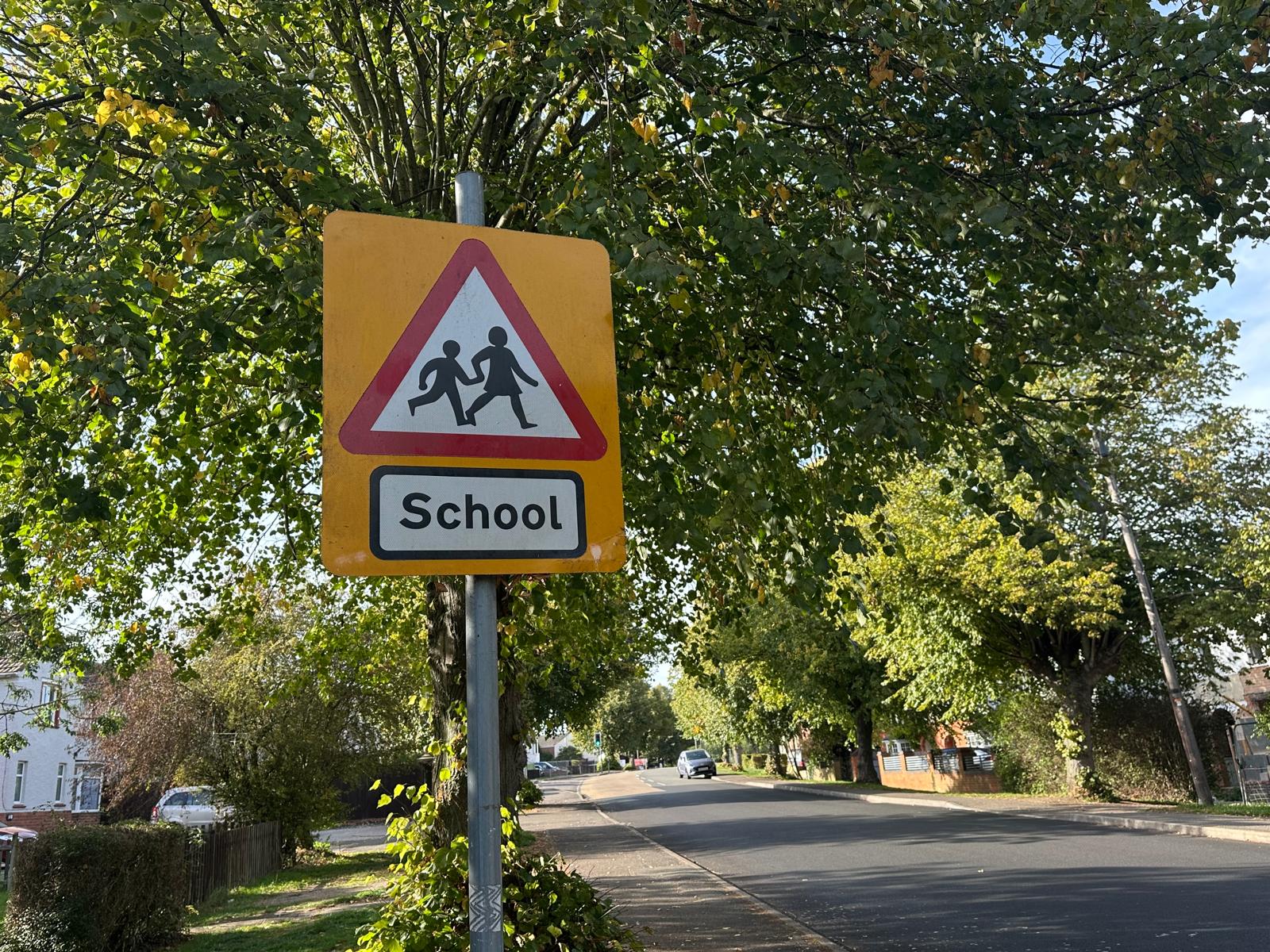
Many children who live over three miles from their school or who do not having a safe walking route, meet the criteria to be entitled to free transport to school… but many do not. The rules aren’t straightforward and parents often do not understand how their child’s choice of school affects whether they will get free transport or not. Many may have an expectation that they will get free school transport and then be very disappointed when they don’t.
The £5,000 Quandary
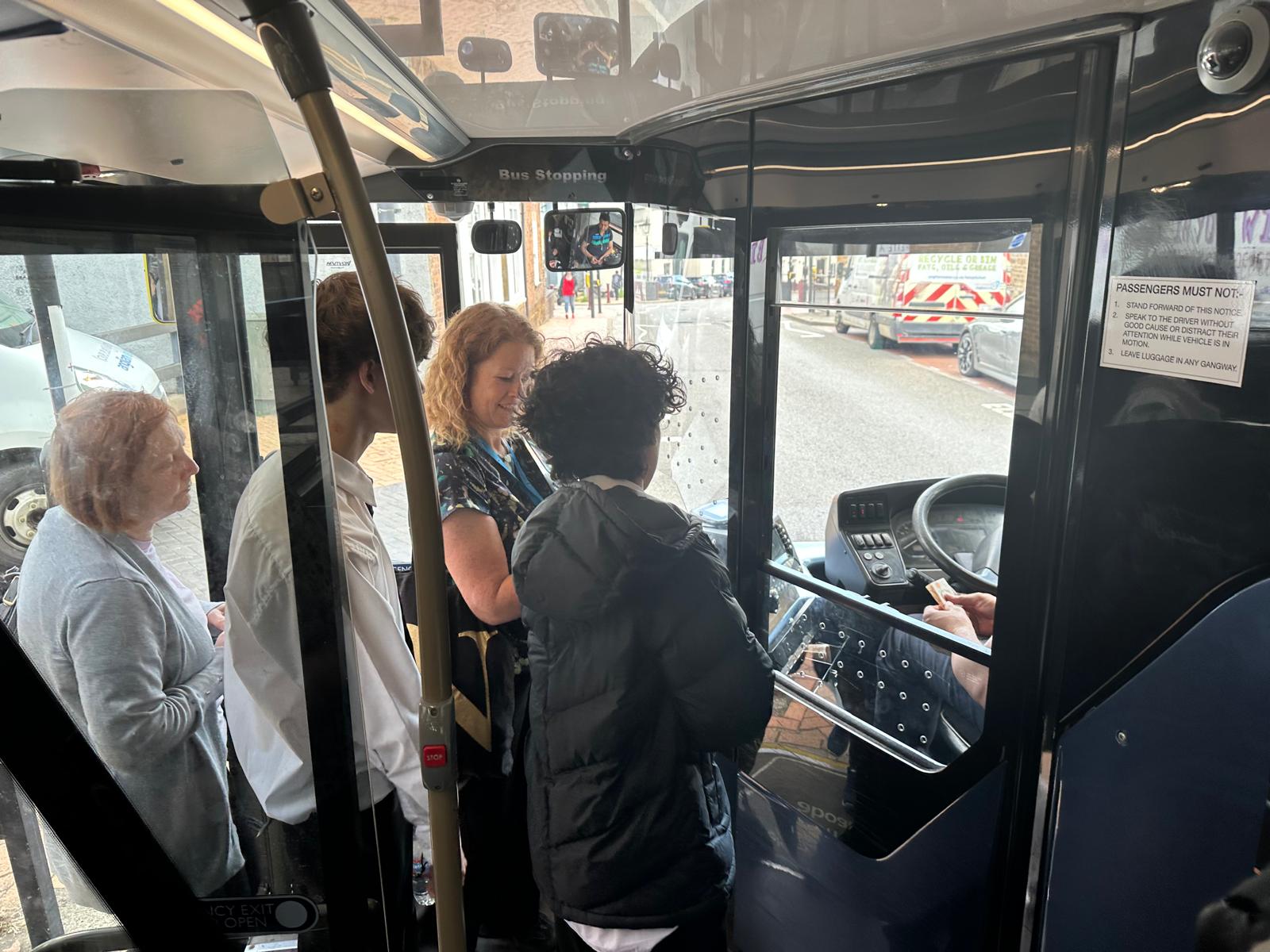
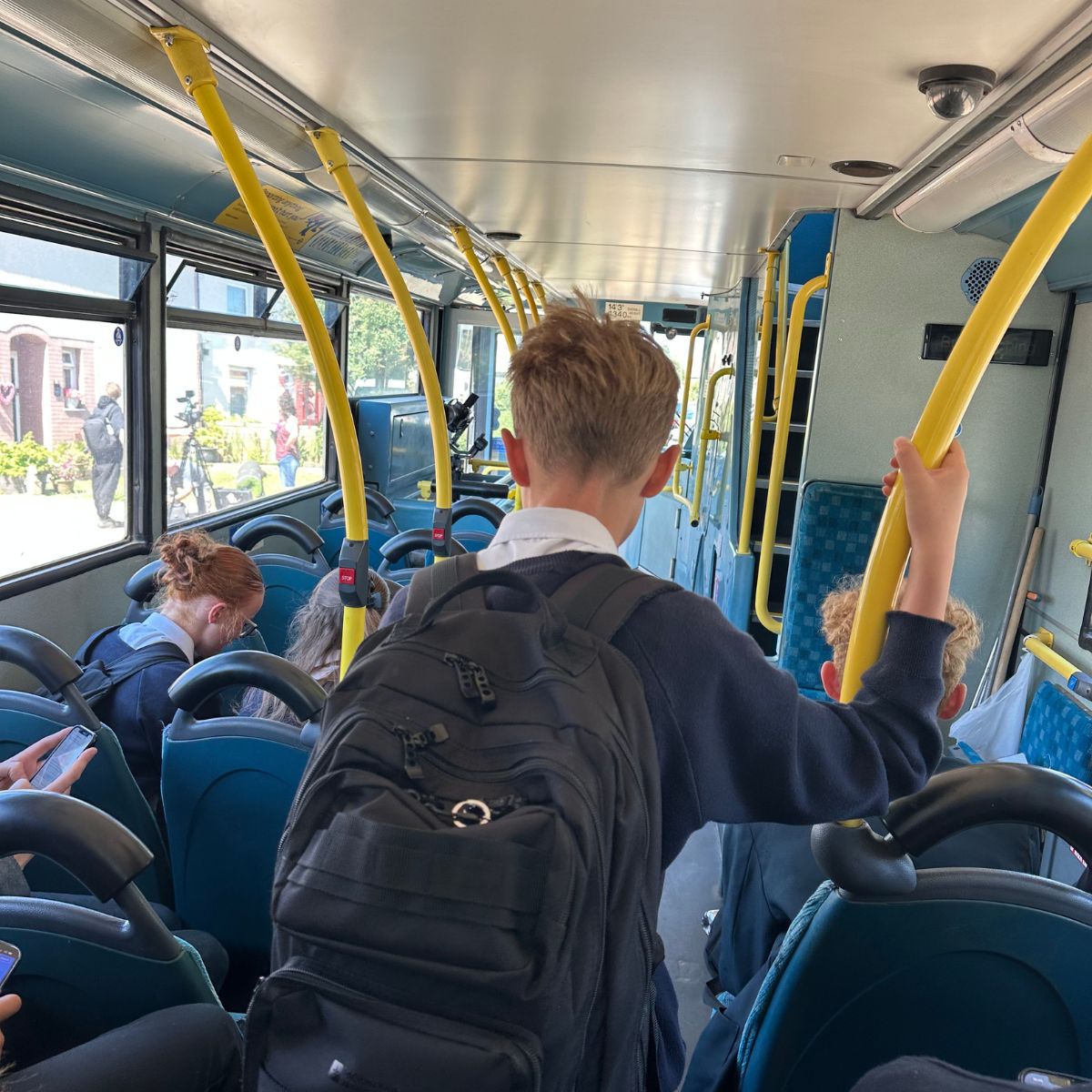
This can place an unexpected financial burden on families. If they then have to pay for their child to take a bus every day to school, this can cost nearly £1,000 a year, amounting to nearly £5,000 over the secondary school lifetime of a child under 16, and maybe more if the journey needs multiple buses.
The alternative is parents having to drive their children to and from school every day and bear the subsequent cost of fuel, wear and tear on their car, loss of earnings for the extra time on the school run and of course the environmental, increased traffic danger and congestion cost to the area.
Rule of Nearest Available School
With increasing strain on local authority budgets few councils can afford to fund beyond what they are required to by law in terms of school transport for pupils.
So it is really important that parents understand the full travel cost implications of their child’s choice of school before applying. This is particularly important for families in villages where there is no safe walking route to any school. For most rural pupils, free transport will only be awarded for those who go to their nearest available school.
The A, B and C of Free School Transport
So a child living in a village (with no safe walking route to any secondary school) may have a few schools to choose from in the area. Imagine School A is 2 miles away, School B is 2.1 miles away and School C is 4 miles away.
If they choose School A and get in this child should be entitled to free school transport until the age of 16 as it is nearest.
If they do not choose School A, they won’t get free school transport. That’s a decision worth £5,000.
But what if they choose School A and it is oversubscribed - they don’t get in but they get into School B? This means School A is not ‘available’, so School B becomes their nearest ‘available’ school and they can get free transport (as long as they picked School A as first choice).
Choosing the nearest, second nearest and then third nearest school is the safest way to ensure pupils who live too far or don’t have a safe walking route can get free school transport. So steer clear of choosing school B or C before school A and avoid choosing schools further afield at all unless you are willing to pay for travel.
Basically the thinking is that if you don’t choose the nearest schools (in order of closeness) you are probably taking on the responsibility and cost of getting your child to school.
Sorry - them’s the rules.
Always an Exception!
Like I said though it is quite complex and there are exceptions. For example pupils receiving targeted free school meals can generally have a choice of the first, second or third nearest school and get free transport if they otherwise qualify.
Different rules apply for SEN pupils and may for some with faith needs. Also sixth formers (age 16-18) generally don’t get free school transport anyway.
Parent Action
So what can you do as a parent approaching this choice?
First find out about the rules in your area. Although the basic legal requirements are the same across England, actual rules may differ across different local authorities, depending how much extra leeway they are willing to finance. Look on your local highway authority (council’s) website for ‘Home to School Transport’ for the rules in your area.
Ask other parents with older children what their situation is - which school they go to, how they get there and whether travel is free. Although bear in mind that rules can tighten for new intakes so just because an older child gets a free bus it won’t mean a new starter will. Rules can also vary between year groups - for example older pupils may be funded to take a public bus and younger children be provided with a ‘closed’ bus service only for school pupils.
Do your homework before applying for a place at a school. You may apply for a place at any school but you will probably have to work out how your child will get there for yourself.
Schools Sharing Guidance as Travel Plan Initiative
What can schools do to help? Primary and secondary schools can ensure they are well informed and can direct parents to the most up to date, accurate information on the local council’s website. Secondary school open evenings are a perfect opportunity to do this - provide local guidance, school bus times and information to support other green modes such as where cycle racks are. Ask potential pupils and their parents 'how would you get to this school if you came here?' as this opens up individual discussions and questions you can hopefully answer. They can then make better fully informed choices.
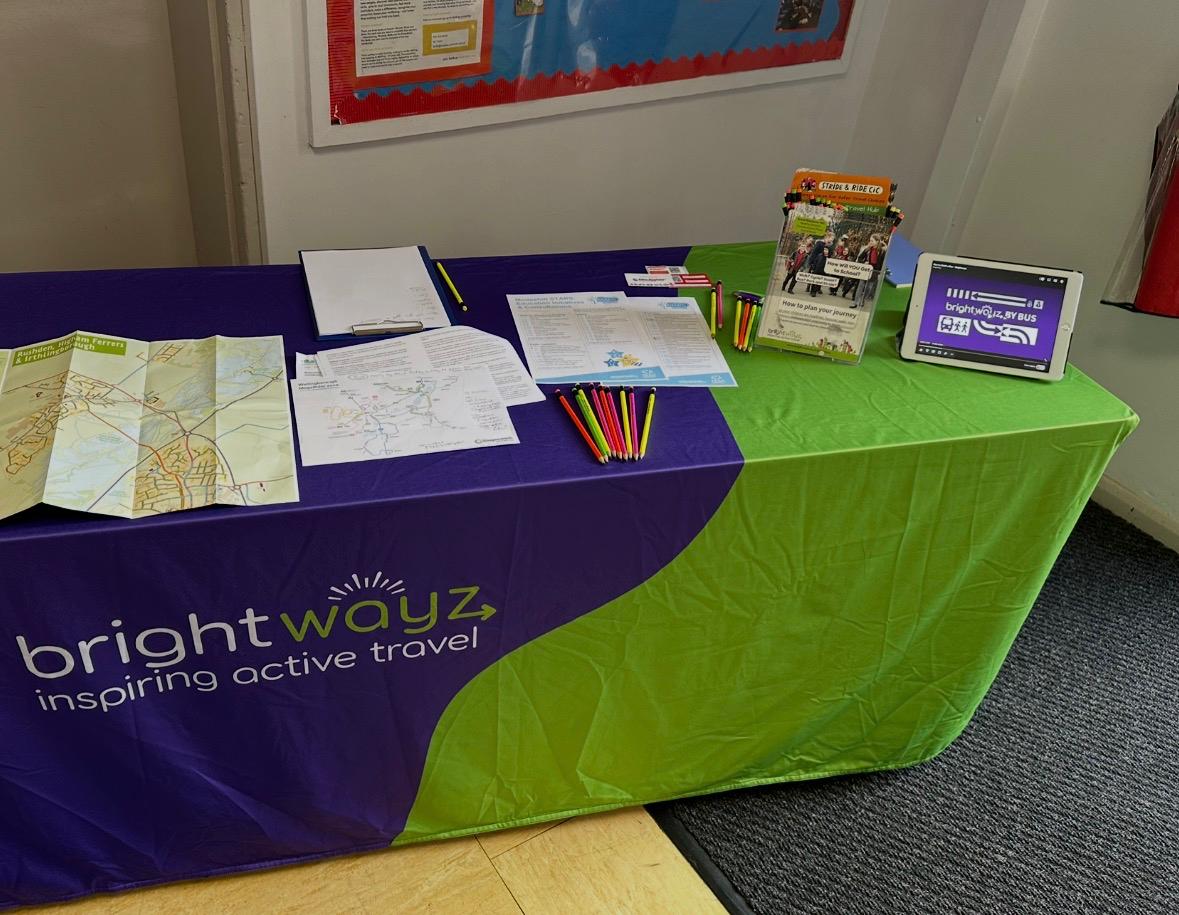
Having a 'How would you get here?' info display for your Open Evenings - ideally with an advisor or representative from your school travel plan team available too - is a great initiative for your School Travel Plan and can contribute towards Modeshift STARs accreditation. (Offering some of our lovely bright pencils are a great way to draw people in!).
Simply having this information easily available through schools can be a School Travel Plan initiative that makes a real impact for parents and the community.
Nearest School Makes Sense for Active Travel
In an urban area with safe routes this is all less of an issue as free bus travel to secondary schools is only for routes over three miles. But choosing the nearest school can make more sense anyway as pupils are more likely to be able to walk or cycle anyway.
Of course with all this, choice is still there. You can choose for your child to go to a school that isn’t the nearest and that may be important for your child.
But knowing the facts and rules before you decide means you can make an informed choice… and potentially keep that £5,000 for yourself!
Here at Brightwayz social enterprise we love to provide information and tips to help you, your colleagues, friends and family travel in safe, active, sustainable ways for everyday journeys.
Our unique range of products is here to help support your active travel campaigns and 100% of profits from sales is ploughed back to support the work we do. Take a look at our range here and find something to help you inspire others to travel in good ways.
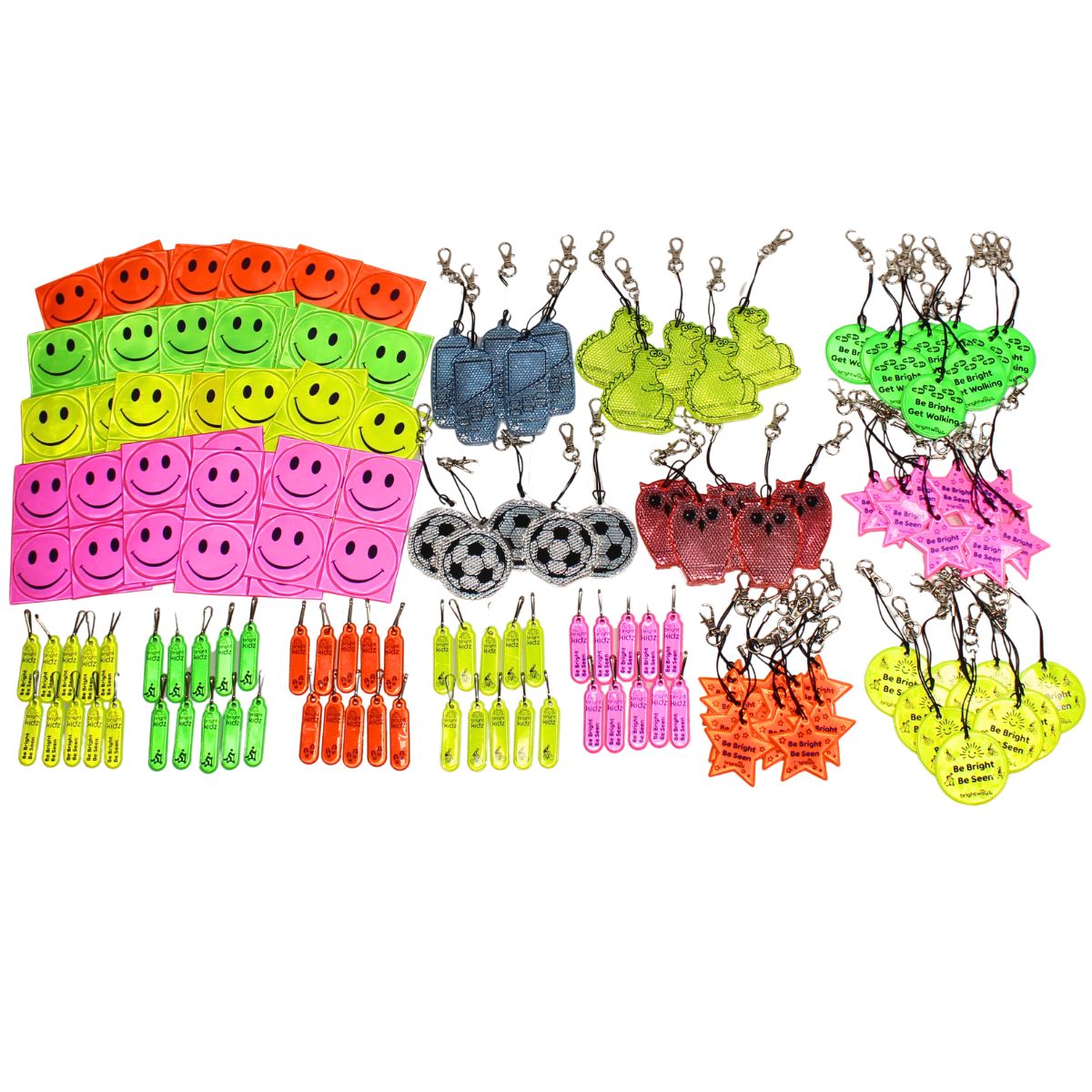 Reflector Shop pack
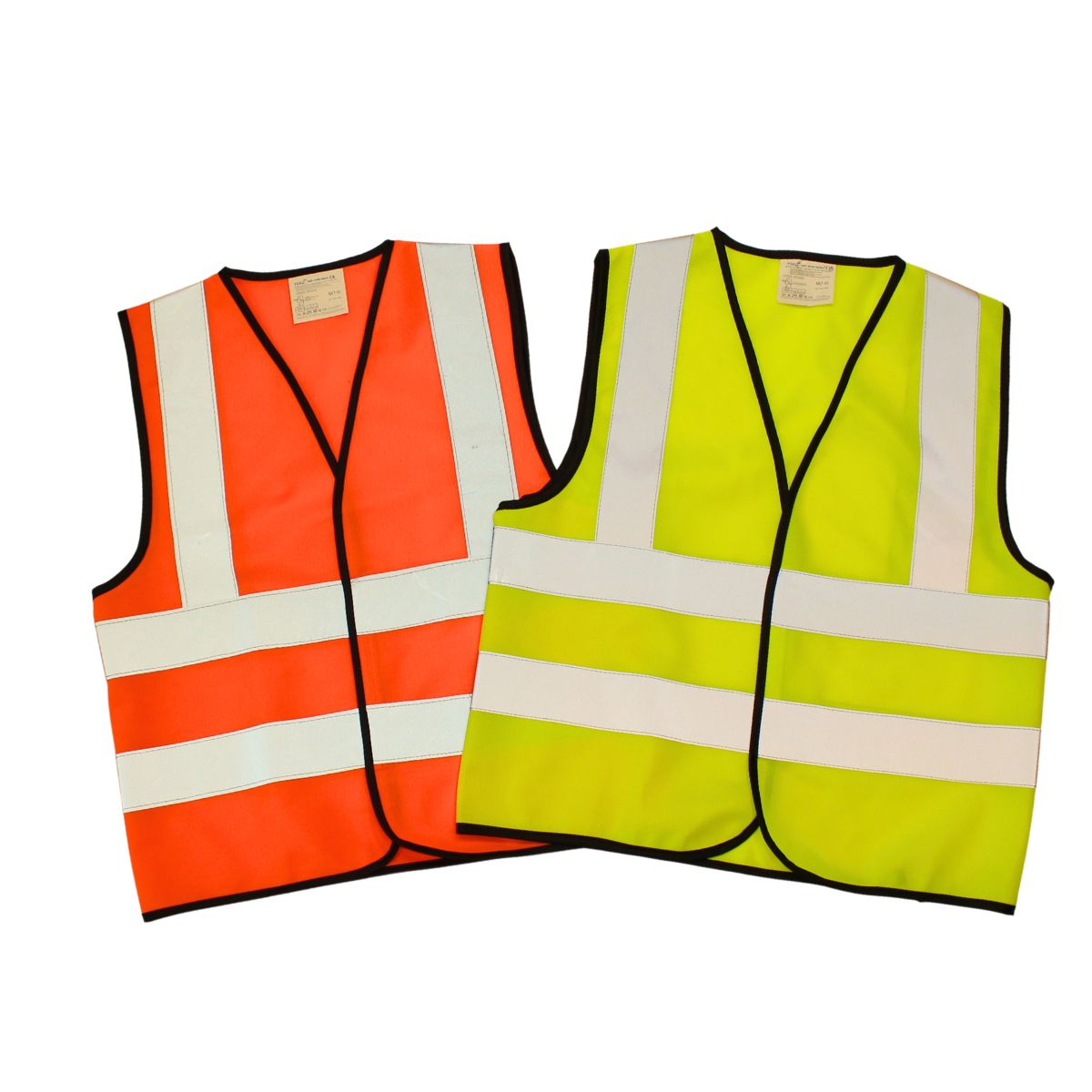 High Vis Child Waistcoat
 Brightwayz Bike Bell
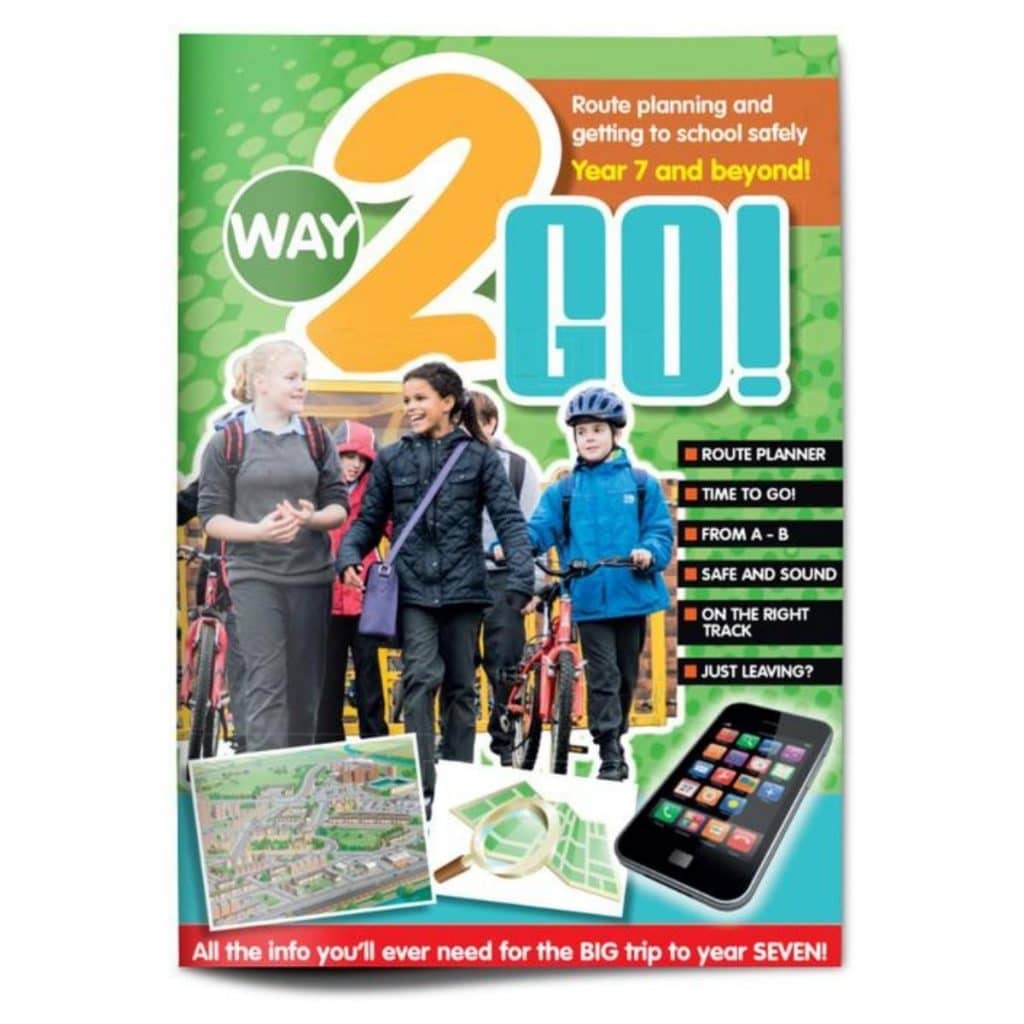 Starting Secondary School Activity Book
 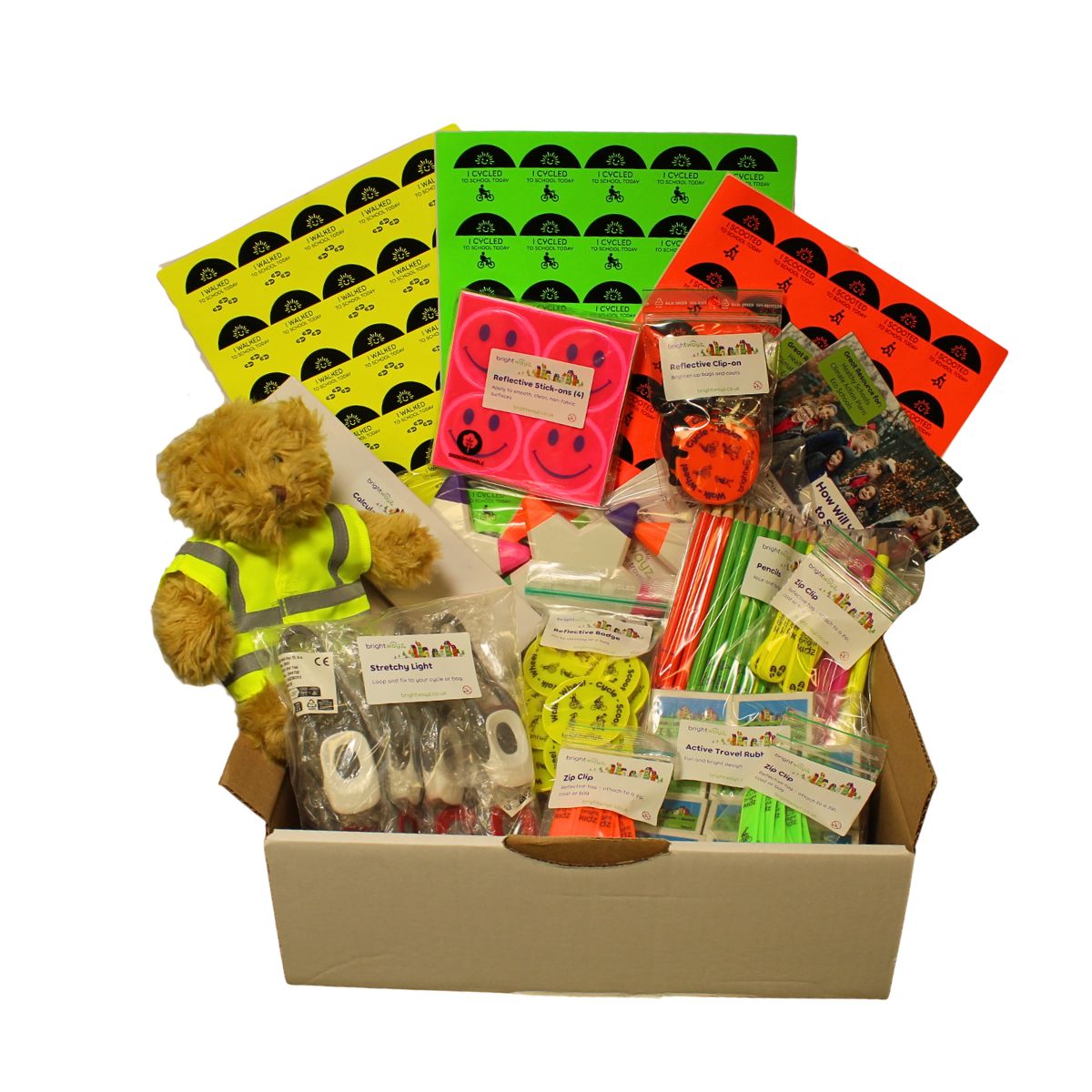 Active Travel to School Rewards Pack
  Pencil